


This year’s olive harvest began on 5 October, and the first cultivar to reach the mill was Favolosa. Here is how the 2026/2027 season looks on our farm in Salento, in the south of Puglia Italy: what we pick, when and why, what happens between the tree and the mill, and what we can honestly say about the new-season oil so far.
Olive Harvest 2026 at a Glance
- Harvest start: 5 October 2026, with Favolosa, followed by Leccino, Frantoio and Picholine
- How we pick: beaters (abbacchiatori) and nets
- Tree to mill: olives arrive at the mill in the early afternoon and are extracted the same evening
- Cultivars in the Novello: Favolosa, Leccino, Picholine and a small share of Frantoio
- Extraction: cold-extracted
- The Novello we sell is unfiltered
- Availability: early November, in a 5 litre tin
- 2026 volumes: too early to say; 2025 was an off-year
The Harvest Starts on 5 October, with Favolosa
We began with Favolosa. Leccino, Frantoio and Picholine follow.
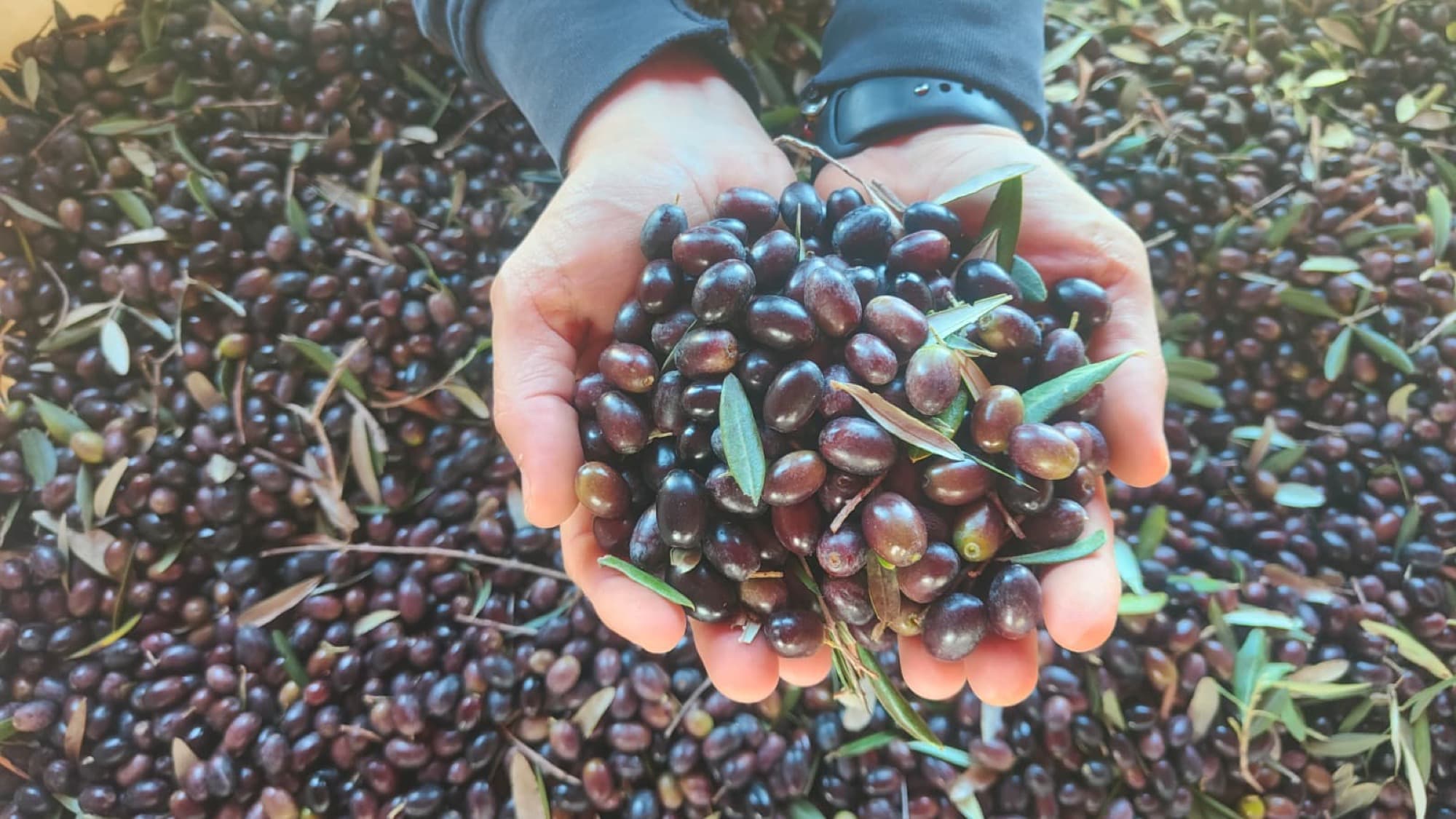
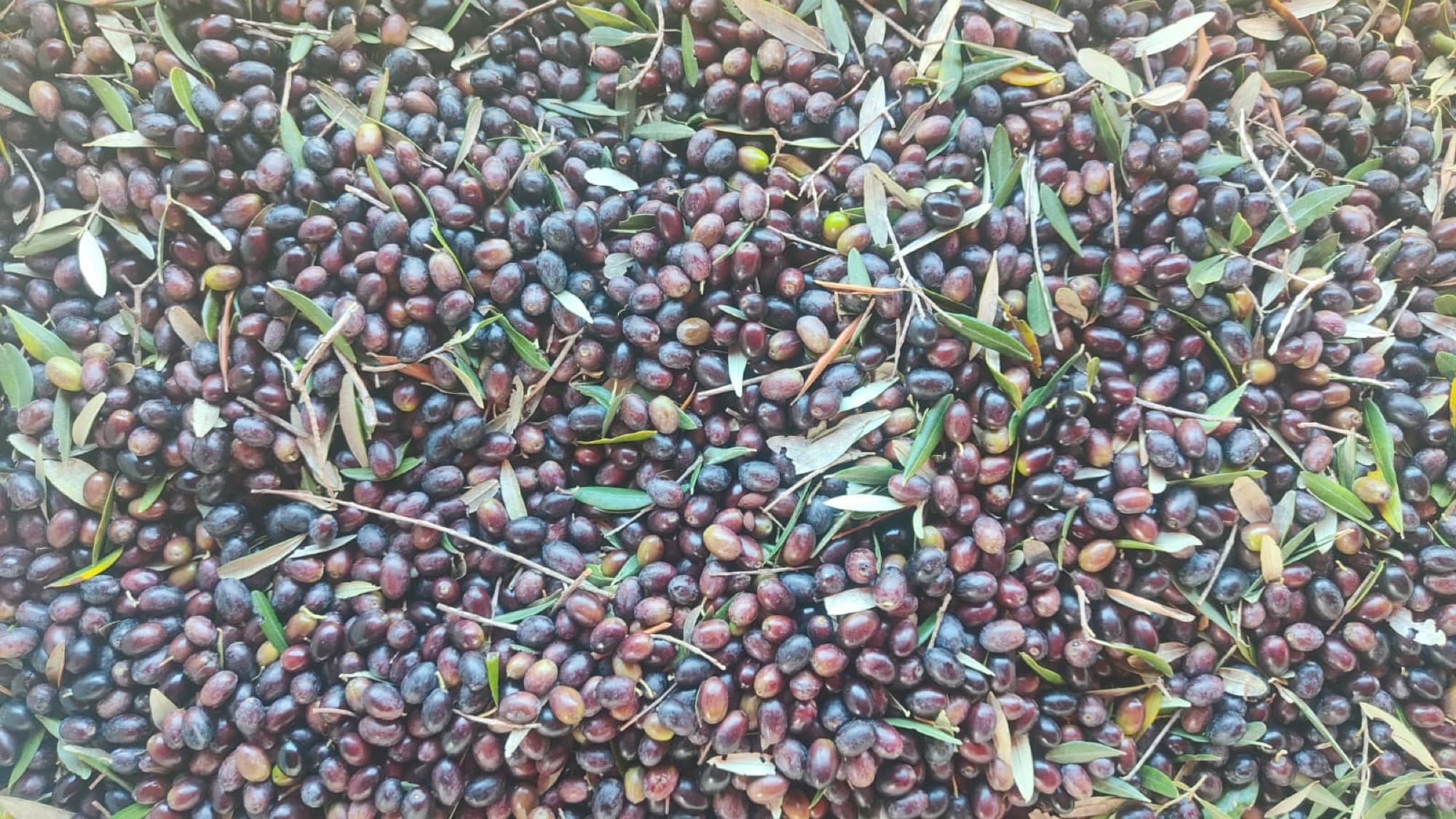
Not every olive we pick becomes oil. Most of the large-fruited Leccino goes to table olives instead.
The Novello 2026/2027, our new-season extra virgin olive oil, is made from Favolosa, Leccino and Picholine, with a small share of Frantoio.
Two of these cultivars deserve a closer look, because they are not the trees Salento was known for a generation ago:
- Favolosa is the trade name of the cultivar FS-17, bred in Italy from a selection of Frantoio seedlings by Prof. Giuseppe Fontanazza and the CNR (Italy’s National Research Council). Leccino and FS-17 are the two cultivars in which resistance to Xylella fastidiosa subsp. pauca has been found (La Notte et al., Frontiers in Plant Science, 2024). The bacterium is still present in the tree, but symptoms are milder than in susceptible varieties. Resistance is not immunity.
- Picholine is a French cultivar from the Gard, in the south of France, used for both table olives and oil.
Why We Pick Early: Polyphenols Over Yield
We could wait. Riper olives give more oil per kilo. We chose something else: to pick at the right stage of ripeness for the highest possible polyphenols, even though a later harvest would give a higher yield. That is what an early harvest olive oil means in practice.
It is a well-known trade-off in agronomy. During ripening, polyphenol content tends to rise at first and then fall, while oil keeps accumulating in the fruit for longer (G. Agostinucci, Rivista di Agraria.org, no. 336, 2021, in Italian). The sweet spot changes from one cultivar to the next and from one year to the next.
To be clear: we do not yet have polyphenol analyses for the 2026 oil. What we are describing is a harvesting decision, not a measured value, so we are not calling this a high-polyphenol oil.
There is one more thing we see in the groves: the olives are ripening earlier and earlier. That is a field observation, not a climate measurement.
From the Tree to the Mill on the Same Day
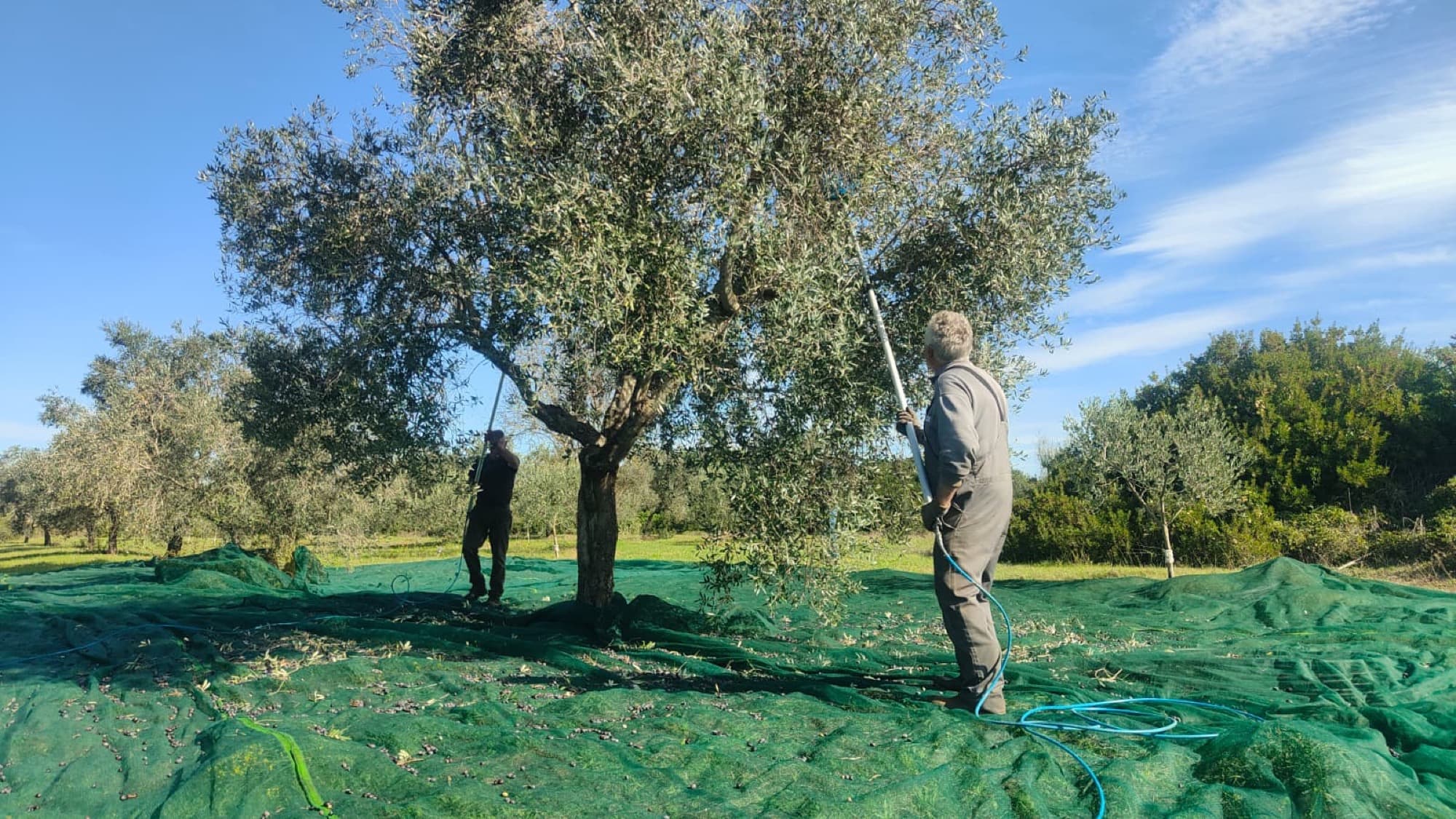
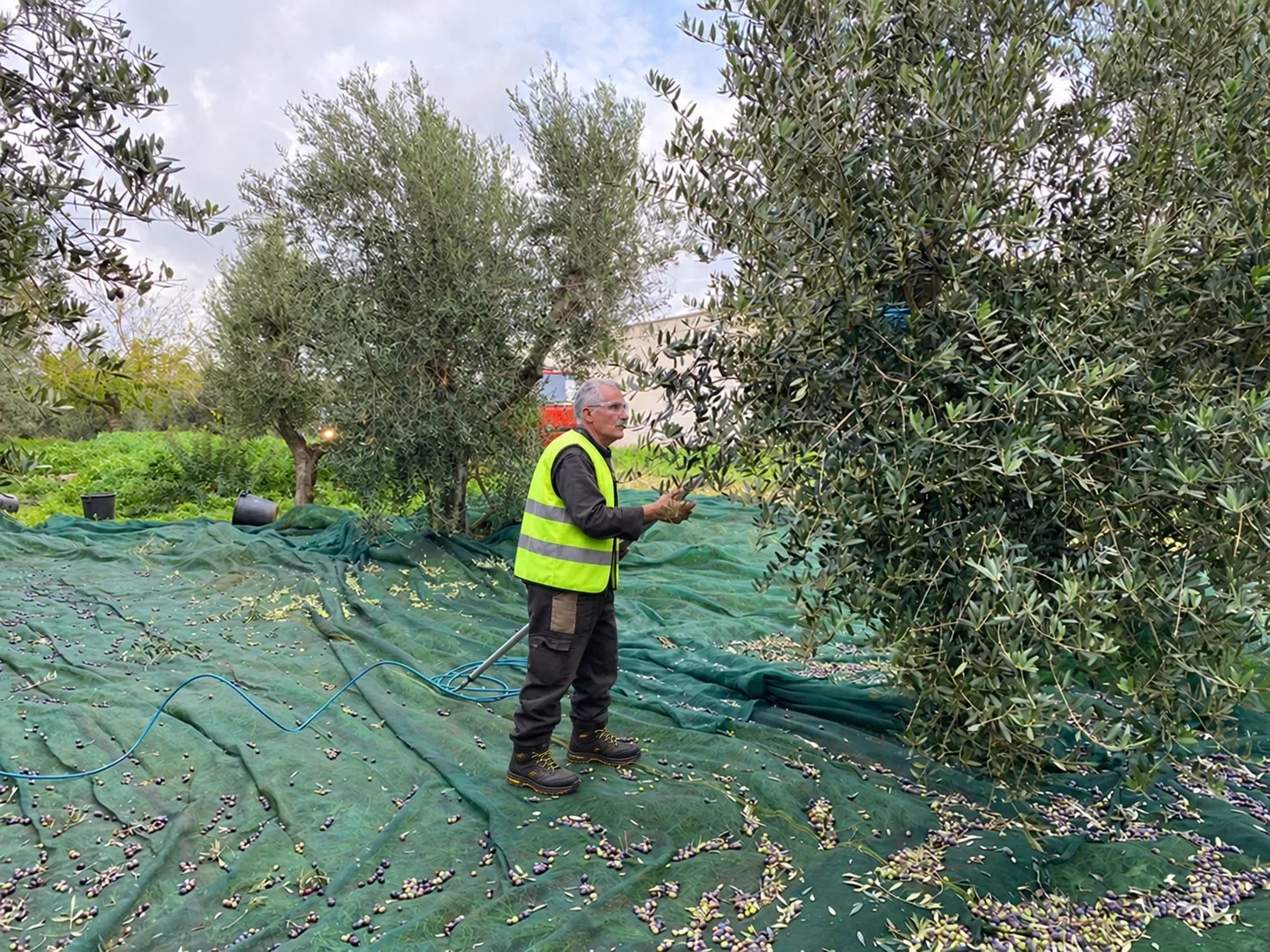
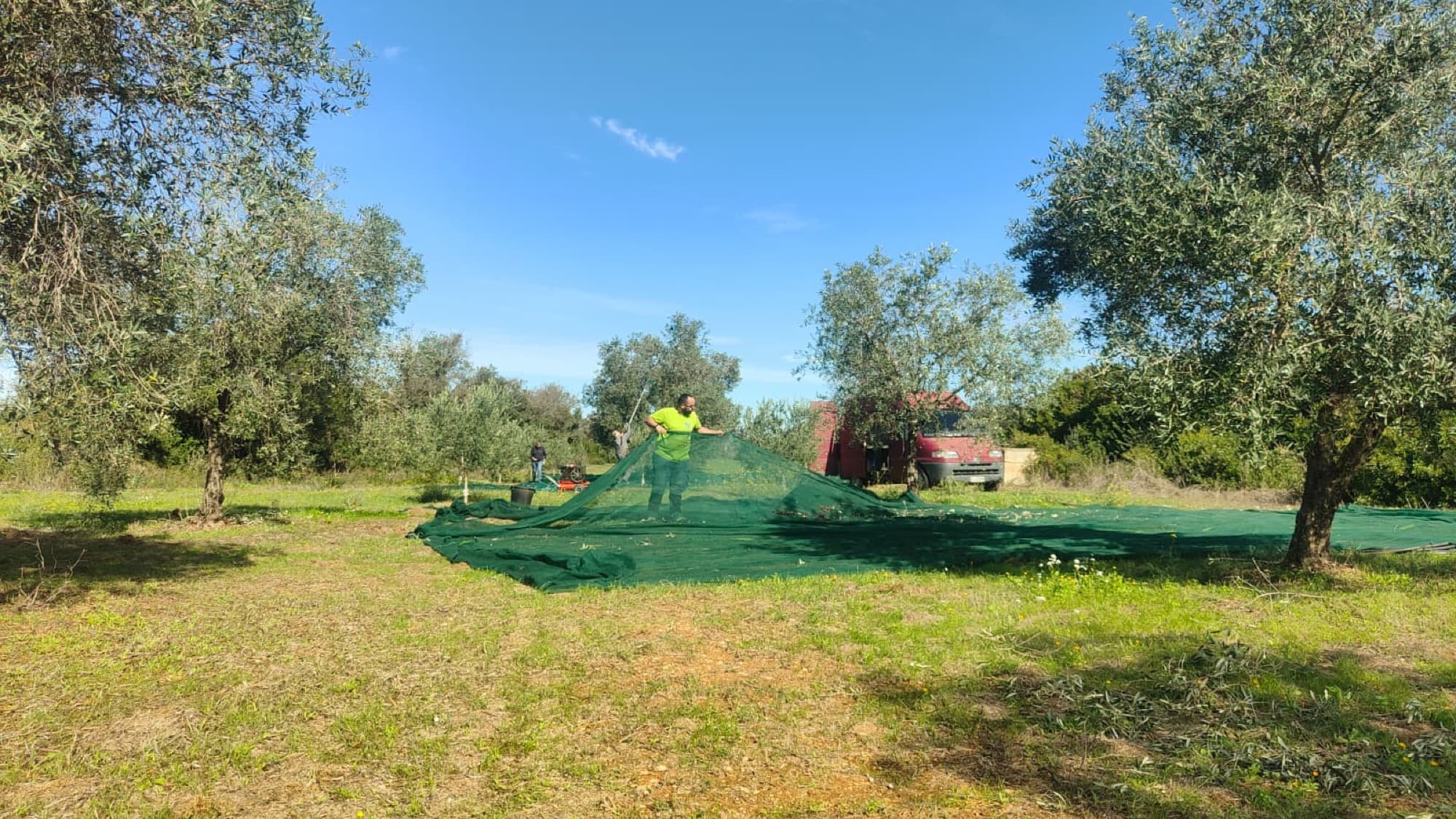
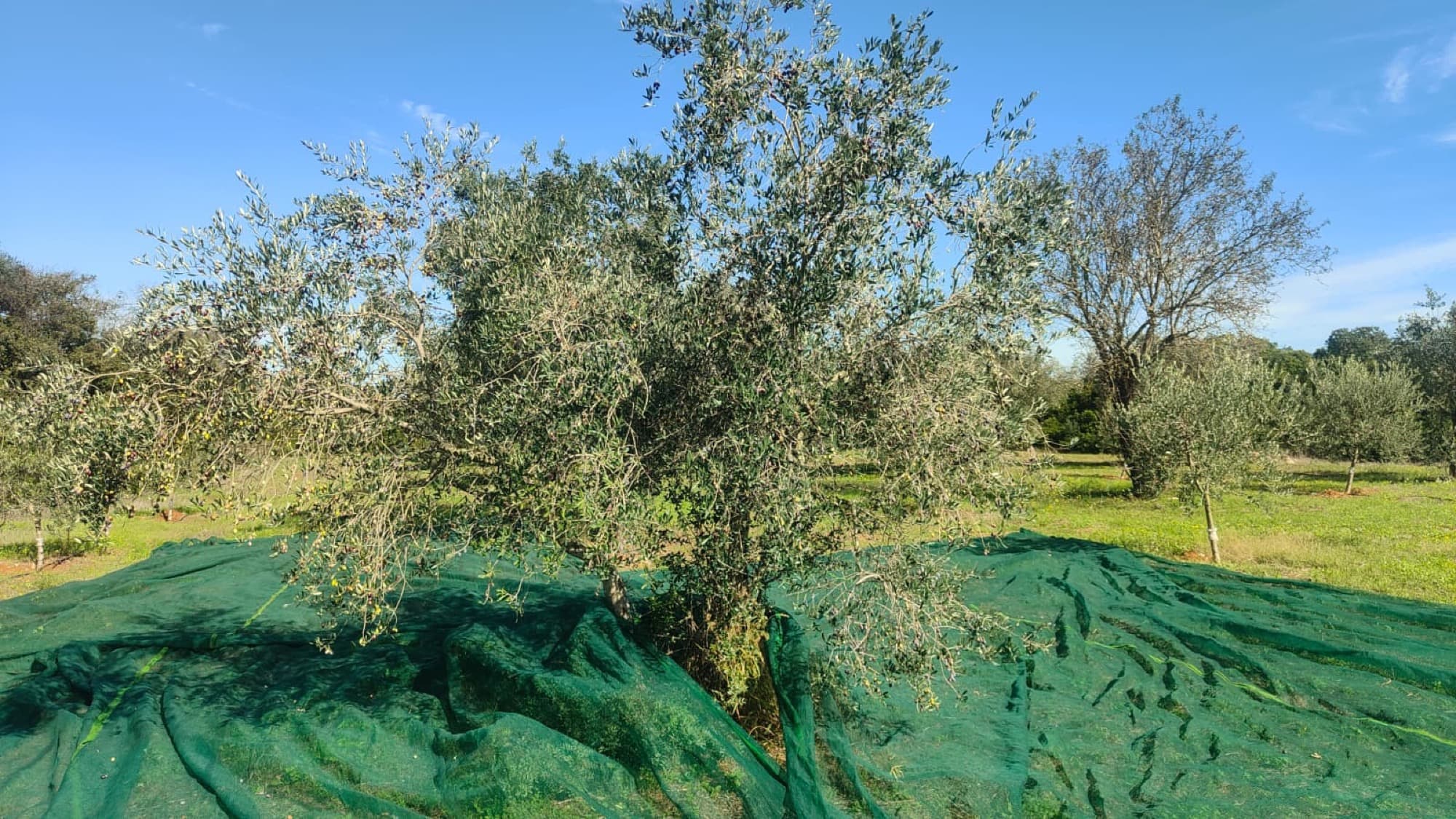
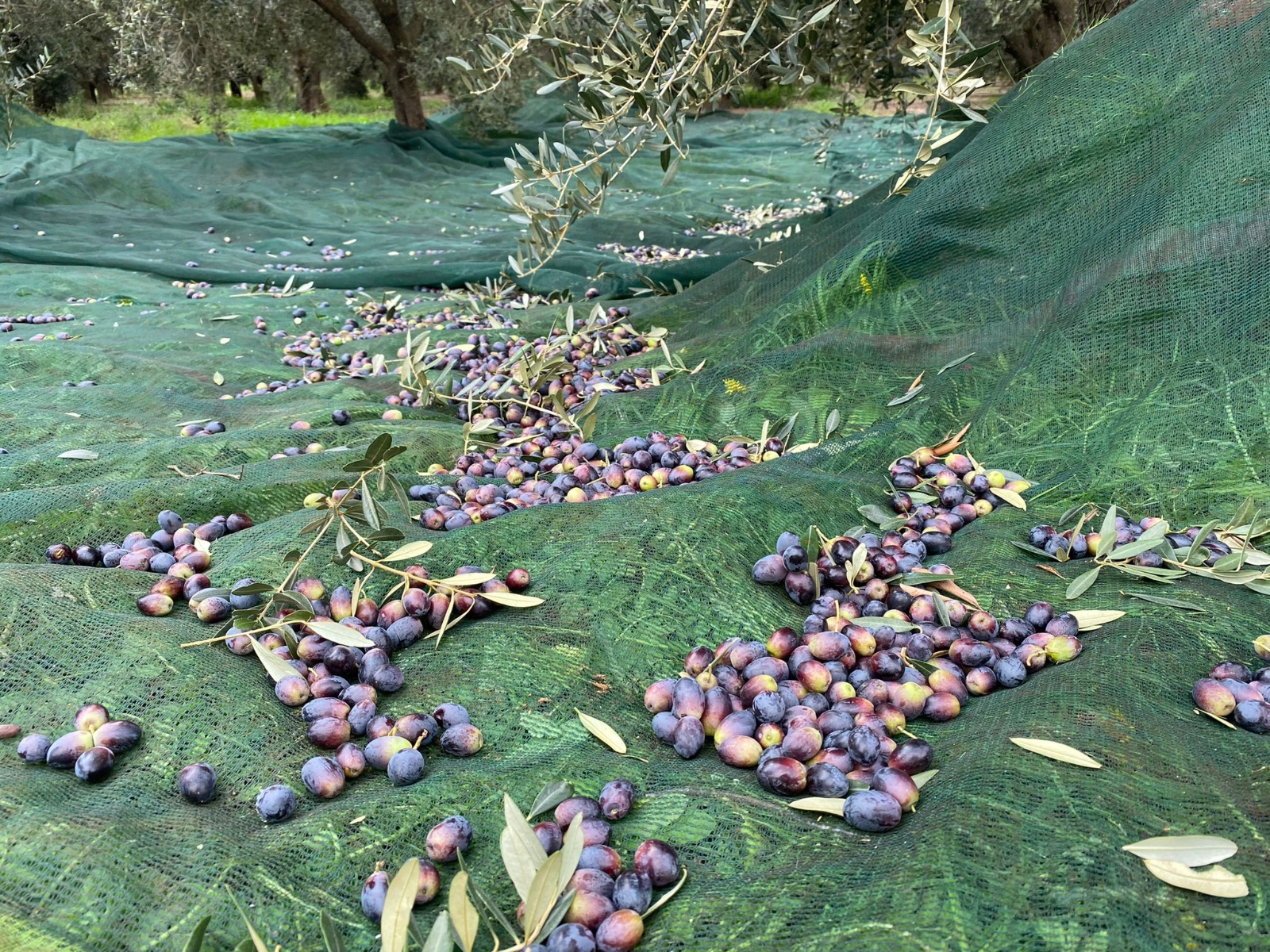
We harvest with beaters (abbacchiatori). The olives drop onto nets spread under the canopy, so they never touch the ground. They usually reach the mill in the early afternoon and are extracted that evening, the same day they were picked.
Milling within hours of harvest limits the degradation that begins the moment the fruit leaves the tree.
The oil is cold-extracted, the term EU rules reserve for oil obtained below 27 °C by percolation or centrifugation of the olive paste (Commission Delegated Regulation (EU) 2022/2104). Many shoppers know it as “cold pressed” olive oil.
2026 vs 2025: Coming Off an Off-Year
2025 was an off-year: few olives and a very low yield. Olive trees often alternate between heavy and light crops (alternate bearing), and last year was a light one.
This year there are more olives on the trees. How much oil they will give, we don’t know yet. With the harvest still under way we can’t put a number on it, and we’d rather not guess. We’ll update this page at the end of the season.
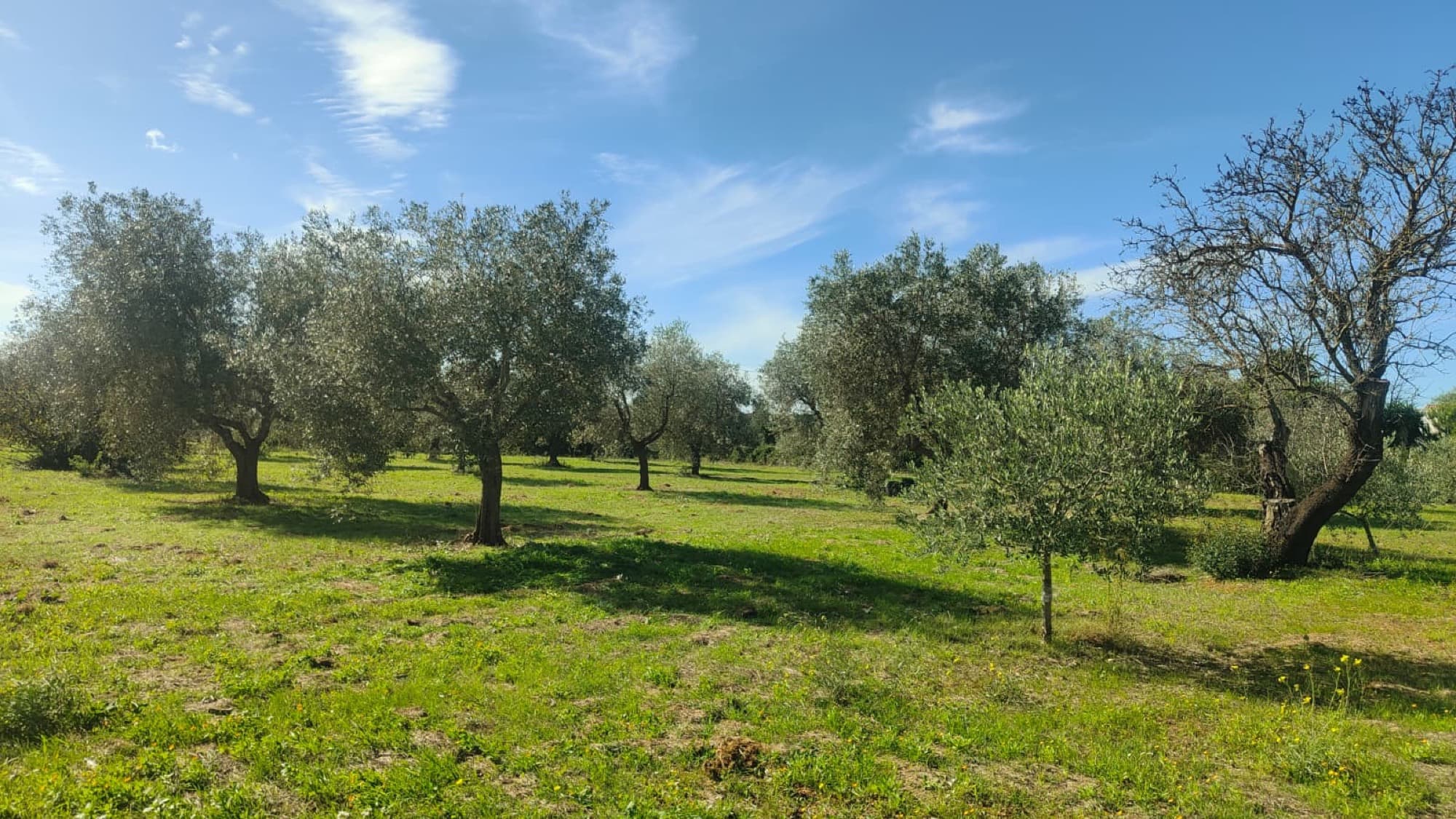
From Centuries-Old Trees to Young Groves: What Xylella Changed
Background, from outside sources. Ogliarola salentina (also called Ogliarola leccese) and Cellina di Nardò, the traditional Salento varieties, proved highly susceptible to Xylella fastidiosa, and millions of trees were lost during the epidemic (La Notte et al., Frontiers in Plant Science, 2024).
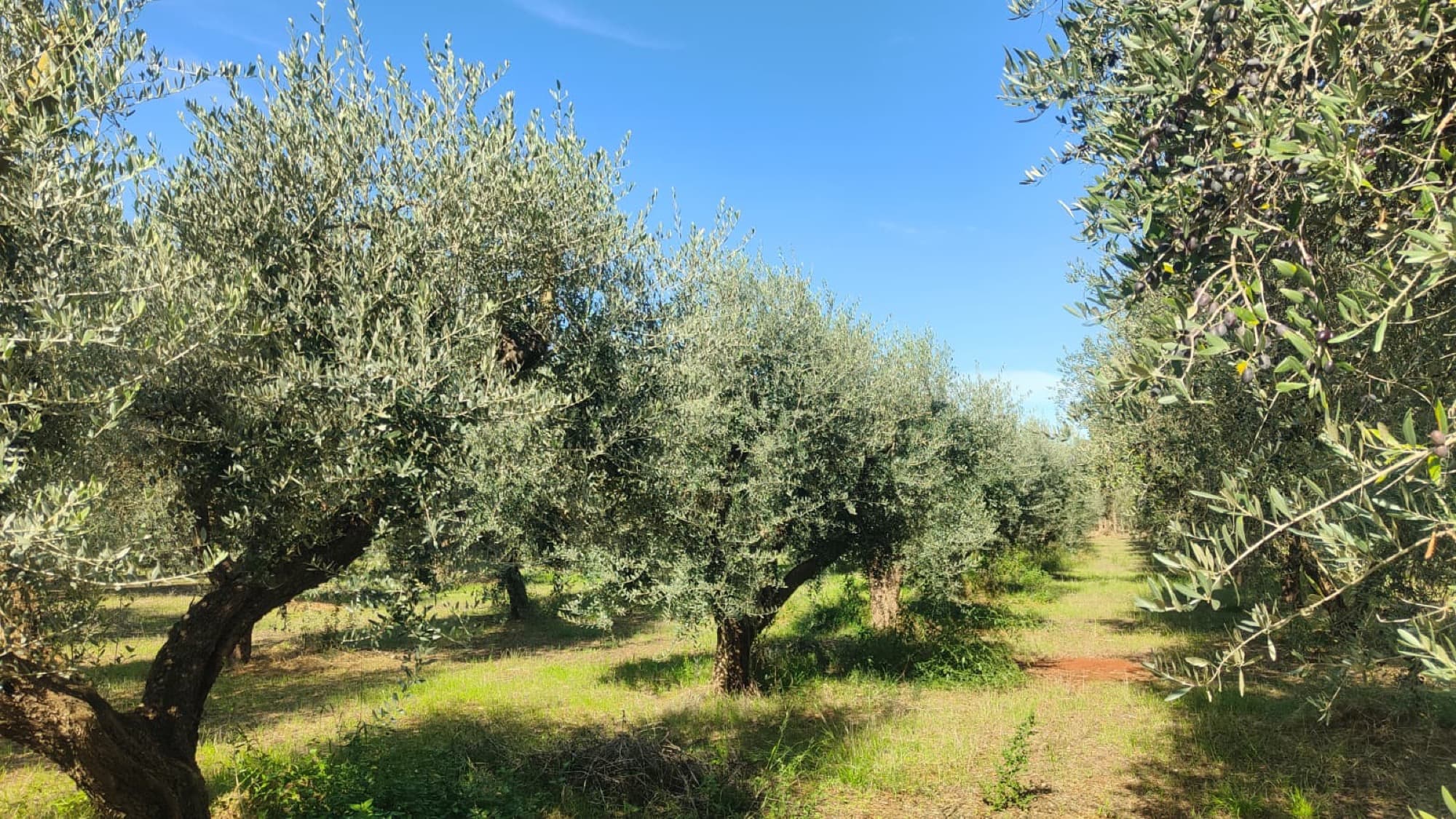
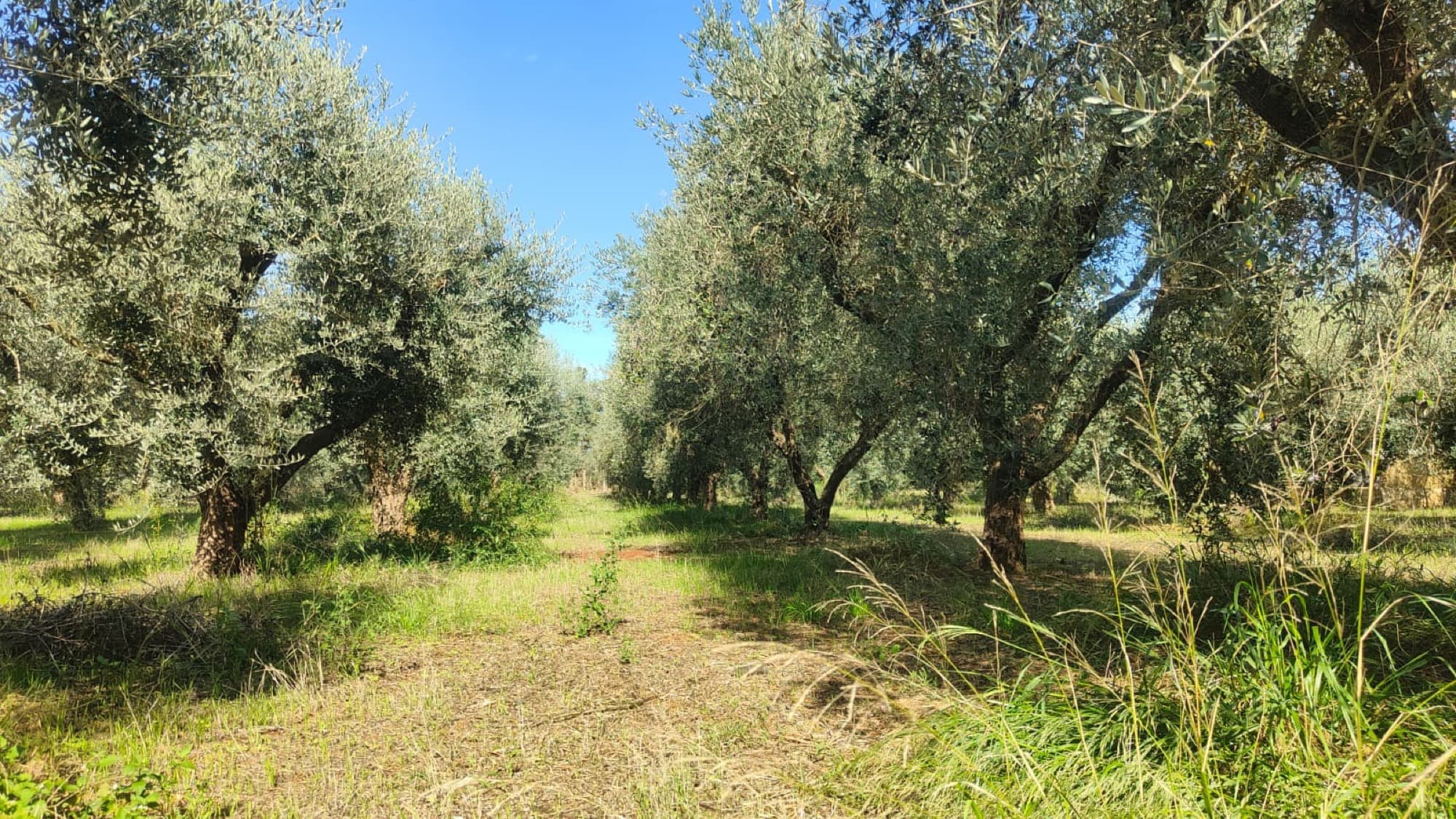
Research identified Leccino and FS-17 (Favolosa) as resistant cultivars. The Puglia Region supports replanting olive trees in the infected zone with resistant cultivars (Measure 2.B, Rigenerazione olivicola, Regione Puglia, in Italian). The Salento olive landscape is changing, from great centuries-old trees to young groves.
A Very Expensive Harvest
If we had to sum up this season in one sentence: it is a very expensive harvest. The main difficulty is finding workers. Even with beaters, laying the nets, picking and getting the olives to the mill every day takes people in the field.
What the Freshly Extracted Oil Is Like
The oil from the first pressings is deep green and thick. That is all we can say for now.
- Acidity: the only analysis available so far, and it shows free acidity below 0.6%. The limit for extra virgin is 0.8% (Delegated Regulation (EU) 2022/2104).
- Aroma, bitterness and pungency: we won’t describe them yet. We’ll add them after tasting.
- Other analyses (peroxides, polyphenols): not yet available.
Filtered or Unfiltered Olive Oil?
Part of the oil is filtered to remove suspended particles. Part is left unfiltered, for people who prefer it exactly as it comes out of the mill.
Neither is better in absolute terms. Unfiltered olive oil keeps tiny particles of pulp and traces of water. Over time they settle at the bottom, so it is best used within the first few months, without shaking the tin, and kept cool and dark. Filtered oil is clear and more stable over time. For more advice, see our 10 practical tips on how to store extra virgin olive oil in winter.
The Novello we sell is the unfiltered version.
When the Novello 2026/2027 Arrives
The Novello Olive Oil 2026/2027, our first extra virgin olive oil of the new season, will be available in early November. On the product page you can ask to be emailed when it arrives. It comes in a single size, the 5 litre tin. Like any freshly extracted oil, it is at its best in the first months, so use it raw: on vegetables, bruschetta, pasta and grilled meats.
If you want a Puglia olive oil for the whole year, see the other extra virgin olive oils in our selection. The large Leccino picked in these weeks goes to our table olives instead.
Frequently Asked Questions
When does the olive harvest start in Puglia?
It depends on the year and the cultivar. In 2026 we started on 5 October with Favolosa, followed by Leccino, Frantoio and Picholine.
What is novello olive oil?
It is the first oil of the season, made from freshly harvested olives and enjoyed fresh, usually unfiltered.
How fast are the olives milled after picking?
They reach the mill in the early afternoon and are extracted the same evening, so the olives are processed on the day they are picked.
Is the 2026/2027 Novello filtered?
No. The Novello we sell is unfiltered, so it can look slightly hazy.
How much olive oil will the 2026 harvest produce?
We don’t know yet, and we’d rather not estimate while the harvest is still running. 2025 was an off-year with a very low yield; this year there are more olives on the trees.
Sources
- La Notte P., Saponari M. et al., A survey in natural olive resources exposed to high inoculum pressure indicates the presence of traits of resistance to Xylella fastidiosa in Leccino offspring, Frontiers in Plant Science, 2024, doi:10.3389/fpls.2024.1457831.
- Agostinucci G., La determinazione del periodo ottimale di raccolta delle olive da olio, Rivista di Agraria.org, no. 336, 15 January 2021 (in Italian).
- Regione Puglia, Rigenerazione olivicola: Measure 2.B, replanting and conversion with resistant olive cultivars (in Italian).
- Commission Delegated Regulation (EU) 2022/2104, characteristics of olive oil.

